
Label material overview
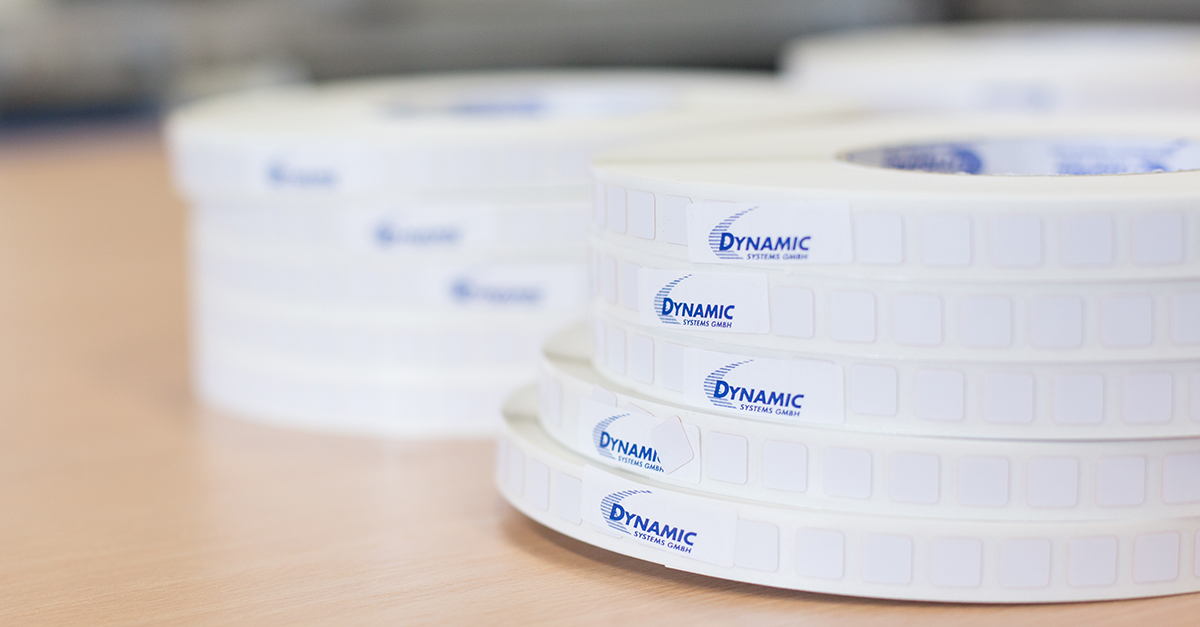 Choosing the right label depends on many factors. The required size, colour and surface finish matter, and choosing the best label material is particularly important for its intended use.
Materials differ in properties such as chemical and temperature resistance and resistance to wiping and scratching.
The choice of ribbon (resin, wax/resin or wax) must also be considered to ensure compatibility during subsequent printing and processing.
Our material overview provides information about applications and properties.
Material |
Application |
Properties |
| Logistics, industry, packaging labels | Not flexible, not resistant to solvents or weathering, unsuitable for permanent outdoor use | |
| Automotive, electronics, food | Tear-resistant, flexible for uneven surfaces, resistant to solvents, weathering and seawater; temperatures from -40°C to +100°C, depending on the specific construction | |
| Automotive, electronics | Resistant to oil, water and solvents; maximum temperature range from -40°C to +130°C, depending on the specific construction | |
| Automotive, electronics, industrial identification, rating plates, logistics | Resistant to solvents, wiping and scratching, with high chemical resistance; also available as tamper-evident security labels; temperatures from -40°C to +150°C, depending on the specific construction | |
| Outdoor protective films, including self-laminating applications | Transparent cable markers or destructible security labels; flexible, resistant to weather and UV; temperatures from -50°C to +110°C, briefly up to +150°C, depending on the specific construction | |
| Electronics, printed circuit board identification | High temperatures in soldering ovens, resistant to UV light and weathering; -40°C to +300°C briefly, depending on the specific construction | |
| Printed circuit board identification and electrical components | High temperatures in soldering ovens; temperature ranges depend on construction and exposure duration, see the material datasheet | |
| Identification of particularly hot surfaces, such as metals, using a heat-resistant adhesive | Suitable for thermal transfer printing and embossing; +100°C to +600°C, depending on the specific construction |
Selection guidance: Temperature limits apply to the specific material and adhesive construction. Please ask us to assess your planned process; the relevant material datasheet is decisive.
Selection and advice
Select the right solution together
A standard item alone does not answer the material question. We discuss material, adhesive, size and operating conditions with you.
Discuss your application with usPersonal advice
Which solution fits your application?
We help you select materials and hardware and implement your solution.

